Social Media Templates-App-Tech-011-22: Your All-in-One Design Kit
Let’s be honest—keeping up with the visual demands of social media can feel like a full-time job. You need fresh content for Instagram stories, engaging posts for Facebook, professional covers for LinkedIn, and eye-catching ads for everything in between. Creating each graphic from scratch is exhausting, and hiring a designer for every single post isn’t always feasible. This is where a versatile toolkit like Social Media Templates-App-Tech-011-22 steps in, not as a magic wand, but as a practical, time-saving foundation for your brand’s visual communication.
More Than Just a Pretty Face: The Practical Power of a Template Kit
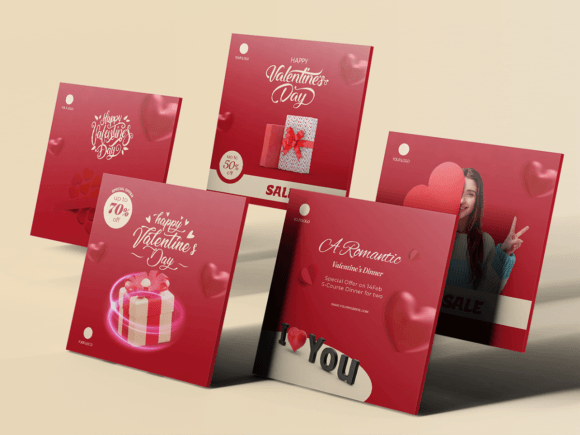
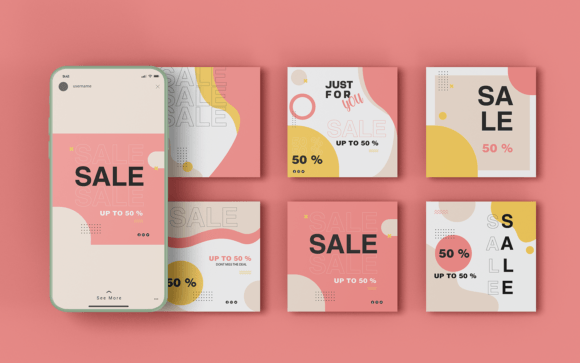
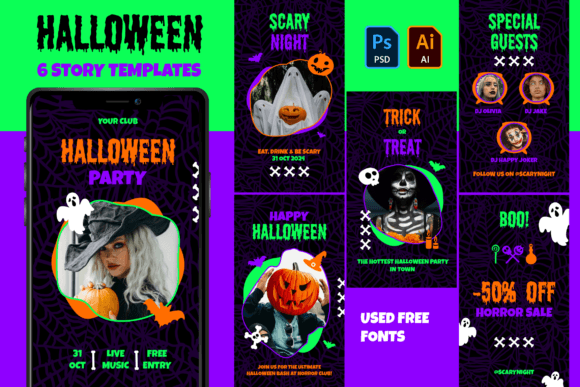
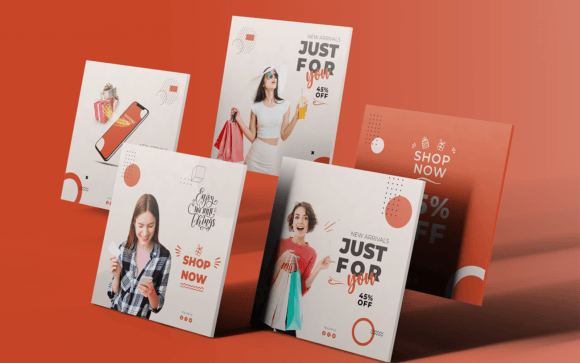
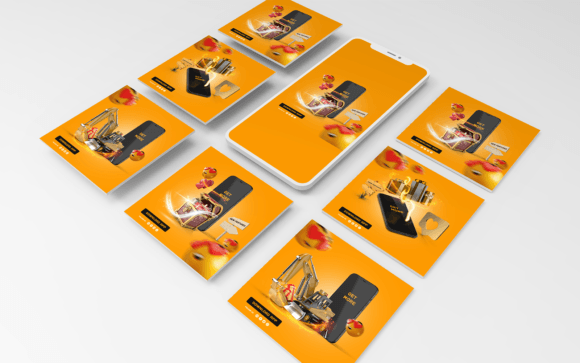
At its core, this is a collection of pre-designed social media banners and post templates, structured with standard dimensions for platforms like Instagram, Facebook, Pinterest, and Twitter. But calling it just a “template kit” undersells its utility. Think of it as a visual starting point—a professionally designed canvas that respects your time and creative energy. The real value lies in its flexibility and how it integrates into your existing workflow.
For the small business owner juggling inventory and customer service, or the content creator planning a week’s worth of posts, these templates solve the “blank page” problem. Instead of staring at a Photoshop canvas wondering where to begin, you open a file that’s already organized, layered, and ready for your brand’s personality. The included PSD files are fully layered, meaning every element—text, color block, shape, and image placeholder—is separated and editable. This isn’t a flattened image you can’t change; it’s a living file designed for customization.
Tailoring the Template to Your Brand’s Voice
The true test of any design asset is how well it adapts to different brand identities. The visual style of Social Media Templates-App-Tech-011-22 leans towards a clean, modern aesthetic with bold typography and clear hierarchical layouts. This makes it particularly strong for fashion labels, retail stores, e-commerce businesses, and service-based brands that want to project a contemporary, professional image.
But how do you make it yours? The process is straightforward. You swap the placeholder text with your own copy—your sale announcement, blog title, or event details. Then, you adjust the colors to match your brand’s palette. Because the files are layered and well-organized, this is as simple as selecting a shape layer and changing its fill color. You can also replace the placeholder images with your own product shots, lifestyle photos, or team headshots. The “easy image placement” feature is key here, saving you from complex clipping mask tutorials.
This level of customization is crucial for brand recognition. When your audience scrolls through their feed, they should instantly recognize your content by its consistent use of color, font, and layout style. Using these templates as a base ensures that consistency across all your promotions, whether it’s a weekend sale or a new product launch. It turns chaotic posting into a coherent visual strategy.
Beyond the Feed: Expanding Your Visual Toolkit
While designed for social media banners, the components of this kit have a much wider range of applications. Think of the individual design elements—specific layouts, typographic treatments, and graphic shapes—as assets you can repurpose.
A compelling social media graphic can easily become the hero image for a blog post. The same bold headline treatment used in a Facebook ad could inspire the layout for a digital flyer or a print poster for a local event. The clean, modular design principles are transferable to packaging design mockups, website hero sections, or even editorial layouts for a digital lookbook. For entrepreneurs creating digital products like e-books or online courses, these templates offer a quick way to design professional-looking promotional materials and social proof graphics.
This adaptability is what separates a good design asset from a great one. It’s not about using the same template over and over; it’s about understanding the design language within the kit and applying its principles to other parts of your marketing assets library.
Key Features That Make a Difference in Your Workflow
Several specific features of this kit are worth highlighting because they directly address common pain points:
- Multi-Software Compatibility: Being editable in Adobe Photoshop, Illustrator, XD, and Canva is a massive advantage. It meets you where you are. A freelance designer might prefer the precision of Photoshop, while a business owner might find Canva’s interface more intuitive. This flexibility ensures the kit is accessible to different skill levels and workflows.
- High Resolution & Layered Files: This is non-negotiable for professional use. High resolution ensures your graphics look sharp on any screen, especially high-DPI displays. Fully layered PSD files give you granular control, which is essential for making meaningful changes without breaking the design.
- Editable Text and Colors with Free Fonts: The use of free, commercially licensed fonts is a huge plus. It eliminates the stress of hidden licensing costs later. You can change text and colors freely, knowing the typographic foundation is solid and legally sound for your business.
- Changeable Shapes: The ability to modify or remove decorative shapes and lines means you can simplify a busy design or add more graphic interest where needed. This keeps the templates from feeling rigid.
Practical Tips for Getting the Most Out of Your Templates
To truly leverage a resource like this, a little strategy goes a long way. Start by choosing the right font style from the kit’s options to match your project’s tone. Is your brand playful? Look for any included script or handwritten fonts. Is it authoritative and modern? Stick with the clean sans-serif options. Matching typography to your project goals is the first step in effective communication.
Next, test font pairings. The kit likely includes a few typefaces. Experiment with using a bold display font for headlines and a highly readable sans-serif for body text. Good readability is paramount, especially for small text in social media captions or website banners. Always view your designs at the actual size they’ll be displayed to ensure clarity.
Finally, be mindful of commercial licensing considerations. While the templates themselves are licensed for use, always double-check the terms. Typically, you can use the final designs you create for commercial projects—your business’s ads, your client’s social media, products you sell. However, you usually cannot resell the template files themselves as a standalone product. Understanding this distinction is part of responsible asset management.
Social Media Templates-App-Tech-011-22 is, at its heart, a productivity tool for visual creators. It bridges the gap between a professional design and the limited time and resources of many businesses. By providing a structured, customizable, and well-organized starting point, it allows you to focus less on technical execution and more on the strategic message your visuals need to convey. It’s about working smarter, not harder, to maintain a compelling and consistent brand presence across the digital landscape.